Tags
2024, A Year in Books, Alex Grant, Amy Helen Bell, Avril Horner, Barbara Comyns, Bastard Out of Carolina, Bristol, Brooklyn, Carol Ann Lee, Civil War, Cold War, Colm Toibin, Dorothy Allison, Dust Bowl, Edna O'Brien, Eilis Lacey, Gayl Jones, Highland Clearances, Huckleberry Finn, Ingrid Persaud, Iris Jamahl Dunkle, Irish Literature, James, Jayne Ann Phillips, John Steinbeck, John Vassall, Kate Summerscale, Kevin Barry, Lancashire Witches, London, Long Island, Marc Kristal, Mark Twain, Mrs Gulliver, Native American Literature, Night Watch, Novella, Paula Spencer, Pauline Boty, Pendle Witches, Percival Everett, Pop Art, Profumo Affair, Pulitzer Prize, Reginald Christie, Rillington Place, Roddy Doyle, Sam Selvon, Sanora Babb, Scotland, Short Stories, Slavery, Sunjeev Sahota, Tessa Hadley, The Country Girls, The Heart in Winter, The Lost Love Songs of Boysie Singh, The Party, The Peepshow, The Spoiled Heart, The Unicorn Woman, The Women Behind the Door, Toni Morrison, Trinidad, True Crime, Under Cover of Darkness, Valerie Martin, Ways of Sunlight, Western, Windrush, Witchcraft, World War II
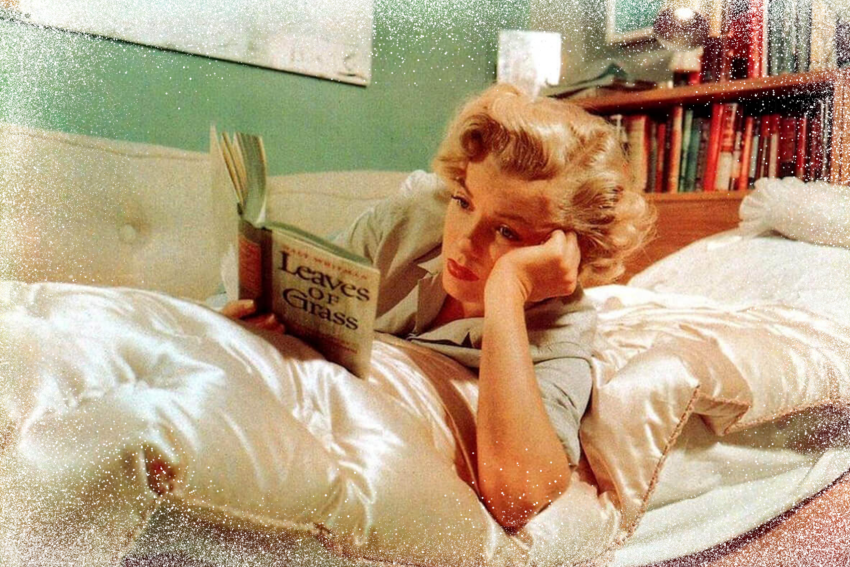
Marilyn Monroe reads Walt Whitman (Photo by John Florea)
For me, 2024 was a nebulous year when literary favourites returned but the best novels came from unexpected quarters. It was perhaps a stronger year for non-fiction, particularly when exploring the lives of creative women.
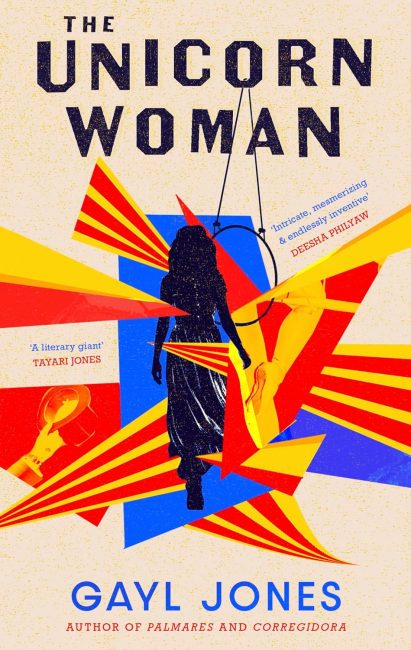
The Unicorn Woman is the final volume in a batch of titles released by Virago after Gayl Jones’ long absence from publishing. It’s a different animal to Palmares, the historic saga which kick-started this cycle. For me, though, it’s the one that comes closest in quality. Jones follows a young G.I. returning from World War II to a segregated South, who roams these disunited states in search of an elusive beauty. This whimsical tale has echoes of Toni Morrison’s late novel, Home.
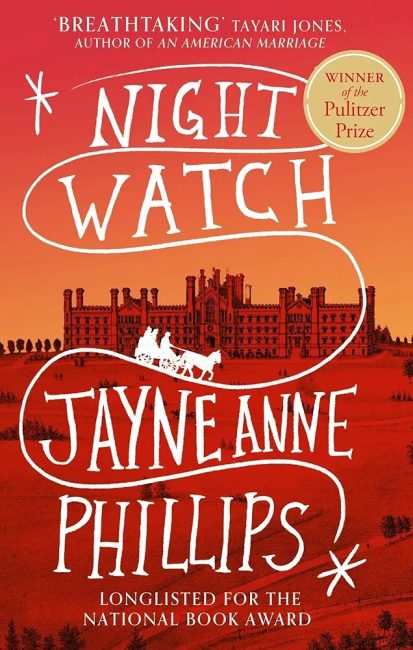
Winner of the Pulitzer Prize for fiction, Night Watch explores the aftermath of America’s Civil War, as it was felt by those left behind. Jayne Ann Phillips channels the hidden war stories of wives and daughters, and the lost souls of the men around them. These disparate elements converge in an unlikely place of safety, with each character finding a way forward in a fractured homeland.
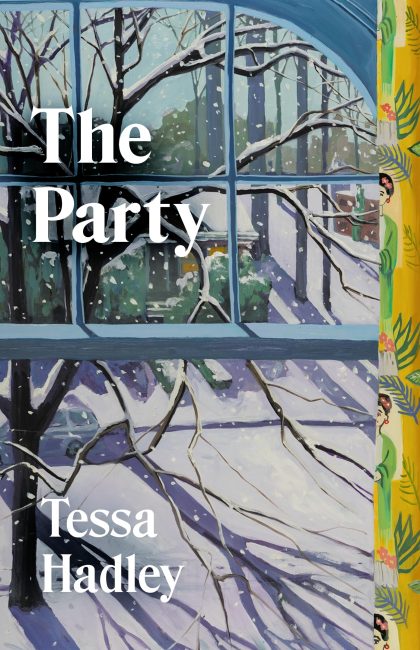
Although well-known, Tessa Hadley’s work was unfamiliar to me, and this novella made an ideal introduction. Set in Bristol during the early 1960s, The Party charts two sisters’ coming of age, from a rowdy gathering in a waterfront pub to higher stakes in a country house. Hadley puts us right by their side as curiosity meets reality.
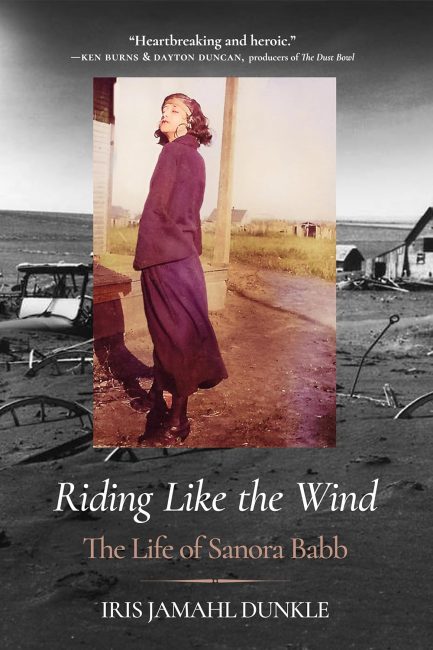
Sanora Babb, whose work I discovered this year, had a tortuous journey to recognition, as chronicled in Iris Jamahl Dunkle’s revelatory biography, Riding Like the Wind. Babb wrote her first novel while working among migrants from the dust bowl, only for her publisher to back out after John Steinbeck’s similarly themed opus was released – and the parallels were not coincidental. But there’s far more to Babb’s story, as her restless spirit inspired her at every turn.
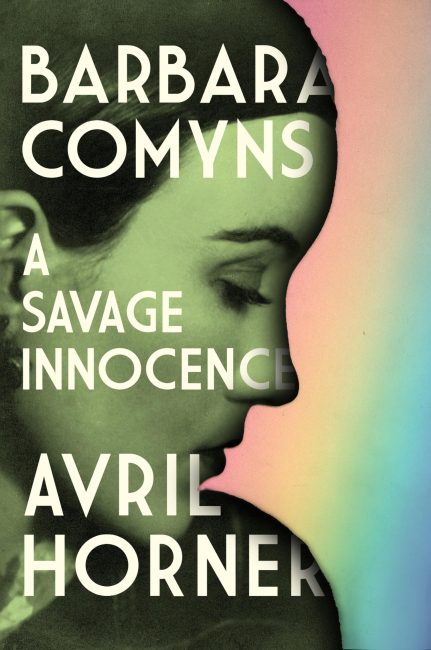 I’ve also enjoyed the novels of Barbara Comyns, who emerged in the late 1940s, bringing childlike wonder and a Gothic touch to the difficult lives of women who strayed from society’s norms. She was fleetingly celebrated, then overlooked and finally embraced by the feminist movement. With Barbara Comyns: A Savage Innocence, Avril Horner retells her life from rural girlhood and urban bohemia through to love and war, exile and return.
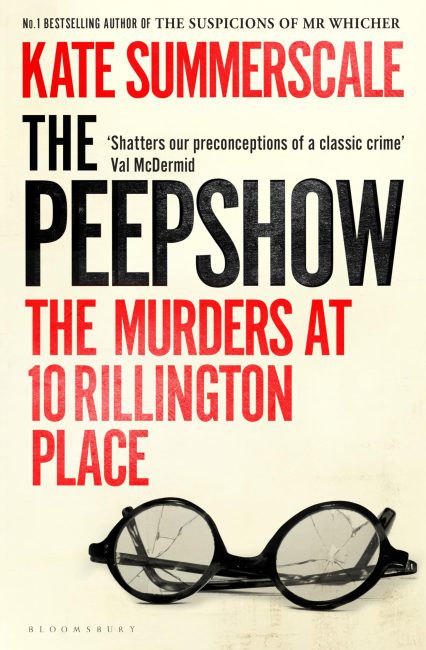 One of the most infamous trials in postwar Britain is revisited in The Peepshow: The Murders at 10 Rillington Place. Reginald Christie evaded capture for so long partly because he seemed so ordinary, but his reign of terror exposed undercurrents of misogyny and racism in London life. Tracing the murky role of the press in catching a serial killer, Kate Summerscale once again proves herself a master of historic true crime.
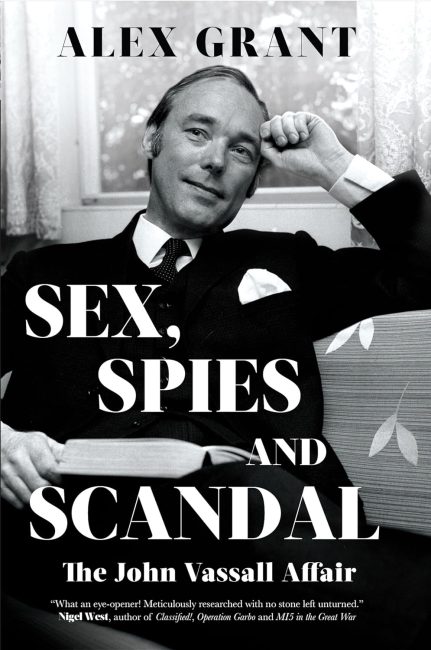
Between the Cambridge Five and the Profumo Affair came a host of ‘lesser’ spy rings exposing the ineptitude of Britain’s intelligence service in the Cold War era. Among them were the misadventures of a lowly civil servant, violated and blackmailed by Moscow spies. With Sex, Spies and Scandal: The John Vassall Affair, Alex Grant brings sympathy to a young man entrapped by snobbery and homophobia.
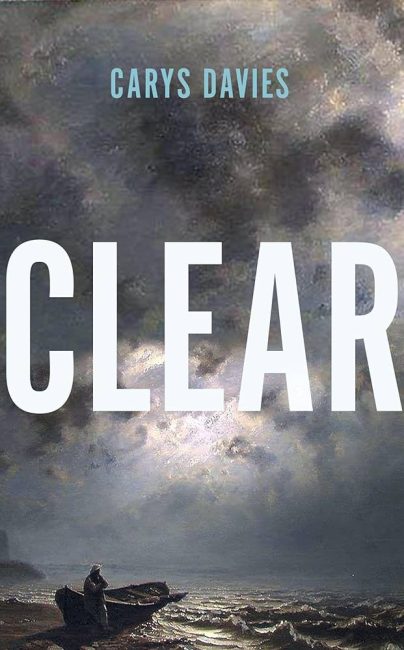
On a remote Scottish island in 1843, its sole inhabitant is joined by a church minister tasked with his eviction. Against all odds, the two men grow close – but progress is about to sweep them away, and only the minister’s wife, waiting on the mainland, can save them. In spare prose, Carys Davies’ Clear forges unlikely bonds amid the ruins of land clearance.
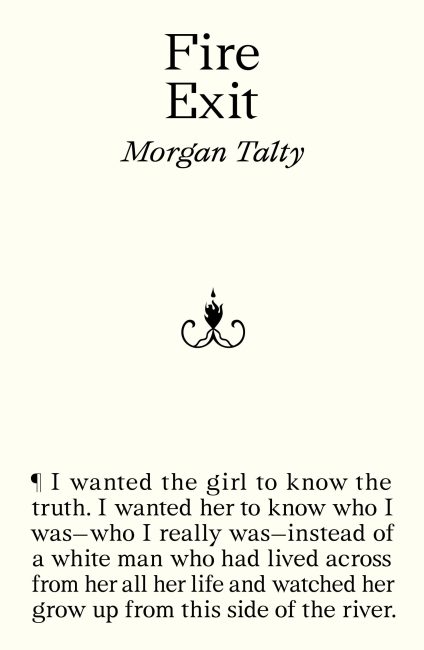
Morgan Talty’s debut novel, Fire Exit, is set across the water from Indian Island in Maine. Its narrator, who grew up among the Penobscot people, is now a recovering alcoholic, trying to support his mother whose memory is failing. But a family secret draws him back to the place where he once belonged, in this thoughtful, intimate tale of finding identity in a fragmented world.
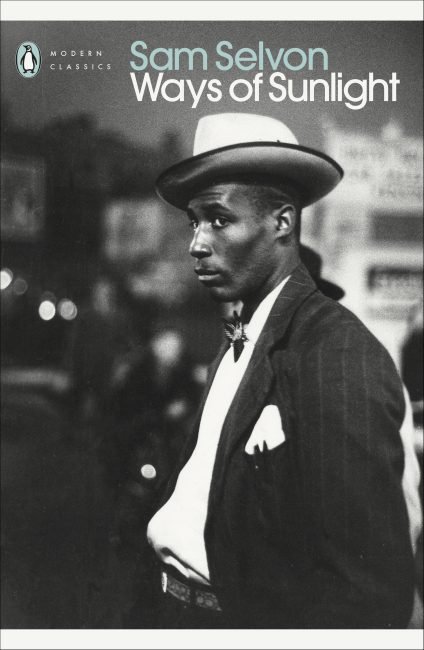
First published in 1957, Ways of Sunlight is a short story collection combining nostalgia for the Trinidad of his childhood with comic tales of the Windrush generation more familiar to readers of Sam Selvon’s London novels.
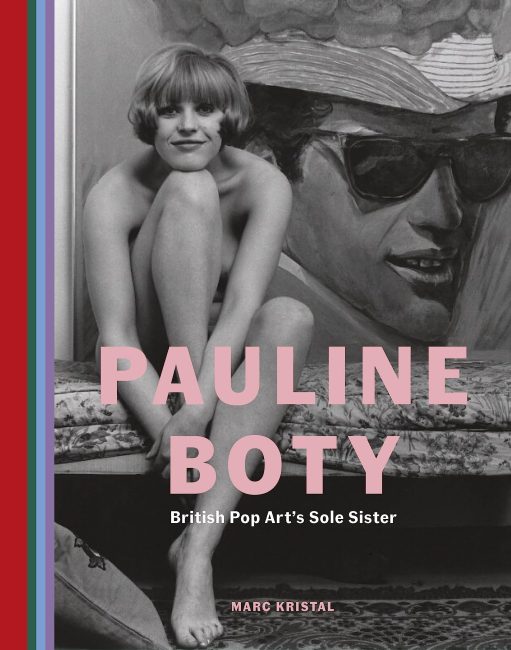
Released in late 2023, Pauline Boty: British Pop Art’s Sole Sister is an illustrated biography of an underrated artist who died young and was forgotten for many years. Now in the 21st century, her reputation continues to grow. Author Marc Kristal looks in depth at her body of work, while also exploring lesser-known aspects of her brief but vivid life.
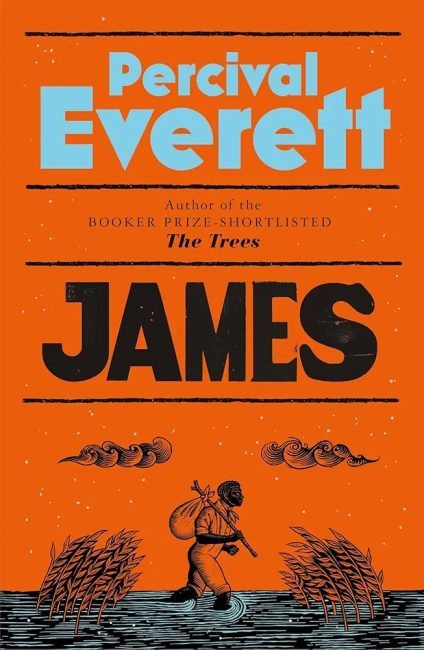
30 years into his career, Percival Everett is a writer whose time has come. His first novel was recently adapted for the screen as American Fiction, and with his latest, James, Everett reclaims the slave narrative of Mark Twain’s The Adventures of Huckleberry Finn with warmth, wit, and a radical edge.
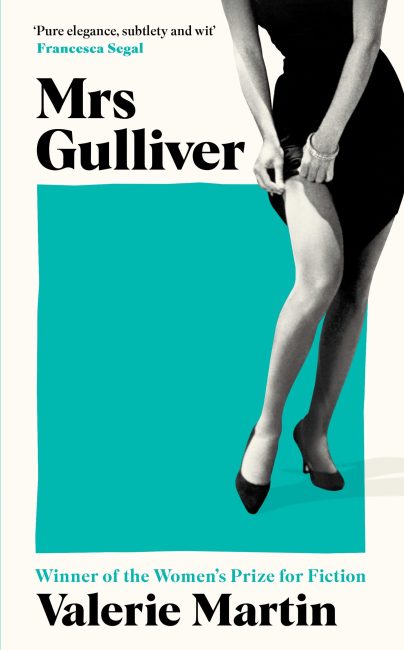
Set on a tropical island in 1954, Valerie Martin’s Mrs Gulliver conjures a heady, almost Shakespearean atmosphere – Romeo and Juliet meets The Tempest – as the madam of a high-class brothel watches over her girls, but ends up breaking her own rules when she falls for a married man.
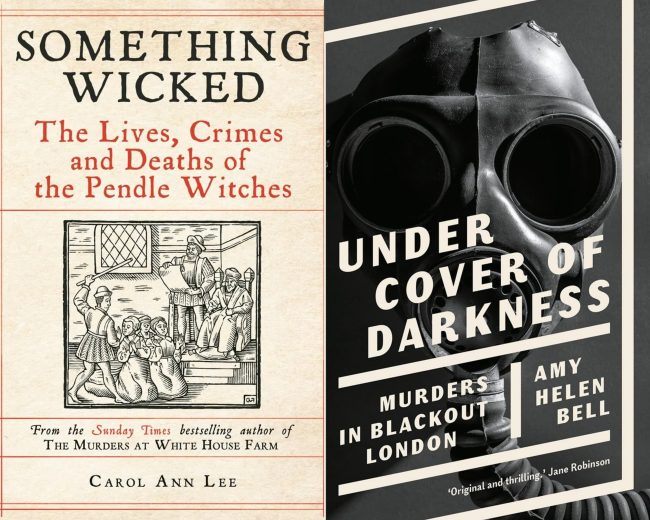
Carol Ann Lee, whose prior subjects include Ruth Ellis and the Moors murders, steps further into the past with Something Wicked, investigating the downfall of the Lancashire women who sparked Britain’s largest witch trial in 1612 from a true crime perspective. And historian Amy Helen Bell’s Under Cover of Darkness reconsiders the climate of fear that led to a surge of murders in wartime London.
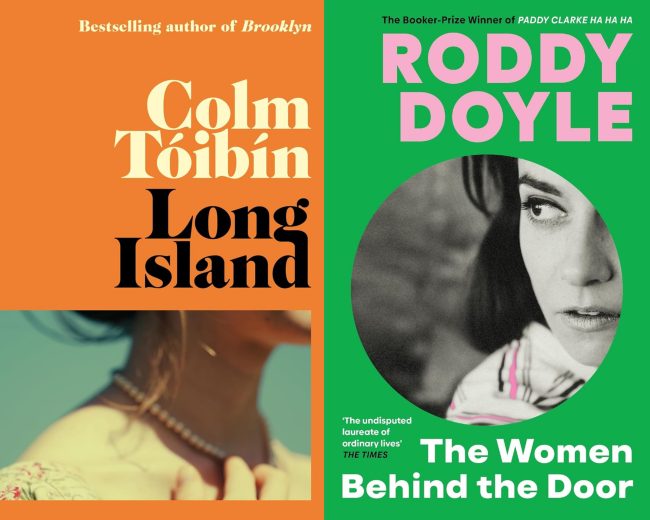
Colm Toibin’s Long Island finds the life of Irish emigré Eilis Lacey once again in turmoil, twenty years on from the events of Brooklyn, as a marital crisis sends her home again; and Roddy Doyle‘s The Women Behind the Door, the third novel featuring Paula Spencer, whose troubled past catches up with her as Dublin goes into lockdown, and her ‘perfect’ daughter returns.
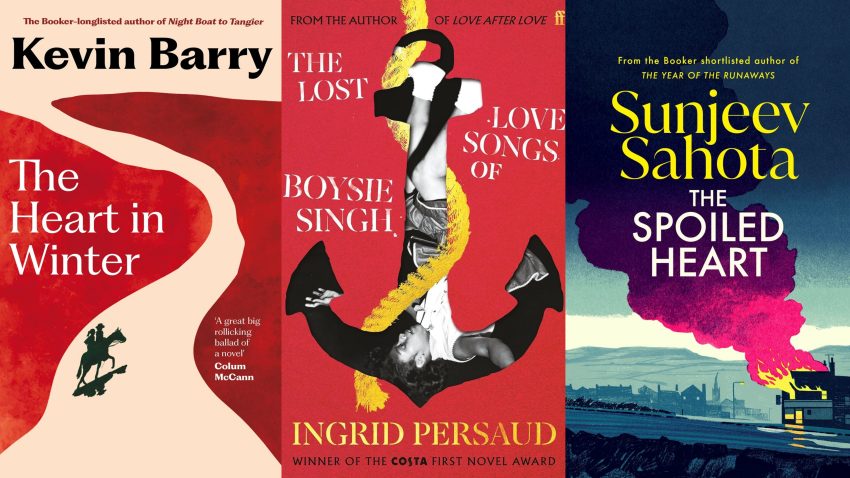
Three more novels: Irish author Kevin Barry’s The Heart in Winter brings love and bloodshed to the Wild West; Ingrid Persaud’s The Lost Love Songs of Boysie Singh unravels the myths of a Trinidad gangster, retold by the women he left behind; and Sunjeev Sahota’s The Spoiled Heart, a tale of grief and healing amid class and racial tensions in contemporary Derbyshire.
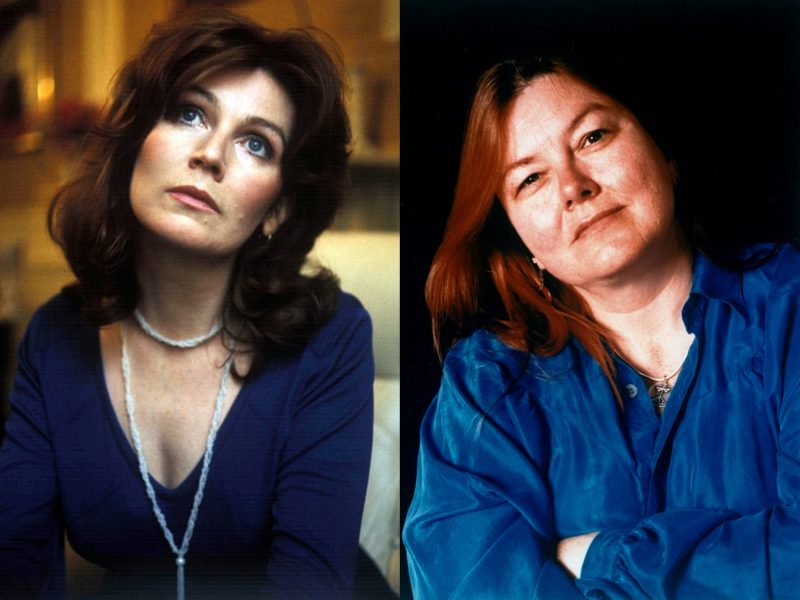
And finally, in 2024 we lost two trailblazing women writers: Edna O’Brien, whose Country Girls trilogy brought the sexual revolution to 1960s Ireland; and Dorothy Allison, whose novel, Bastard Out of Carolina, broke taboos on poverty, patriarchy and abuse.
 Tara Hanks
You must be logged in to post a comment.