Tags
2024, A Year in Films and TV, About Dry Grasses, Agnieszka Holland, Alexander Payne, American Fiction, Ann Sheridan, Argentina, Black Dog, Blitz, Carole Lombard, Chinatown, Desperately Seeking Susan, Evil Does Not Exist, Fancy Dance, Four Daughters, Gena Rowlands, Glynis Johns, Green Border, Jeffrey Wright, Kate Winslet, Lee Miller, Lily Gladstone, London, Maggie Smith, Only the River Flows, Percival Everett, Rodrigo Moreno, Ryusuke Hamaguchi, Saoirse Ronan, Steve McQueen, The Delinquents, The Holdovers, The Peasants, The Settlers, The Universal Theory, Turkey, World War II

In a year when I was more often drawn to world cinema, there was at least one notable exception. Steve McQueen’s Blitz packs more action in two hours than some Hollywood blockbusters, and despite a more traditional style than expected from the auteur of Small Axe and Occupied City, it’s authentically a Londoner’s movie. Following a reluctant evacuee (Elliot Heffernan) and his conflicted mother (Saoirse Ronan), Blitz is hard-hitting and poignant, with a child’s view on war reminiscent of films like Hope and Glory, Au Revoir Les Enfants, and Empire of the Sun.
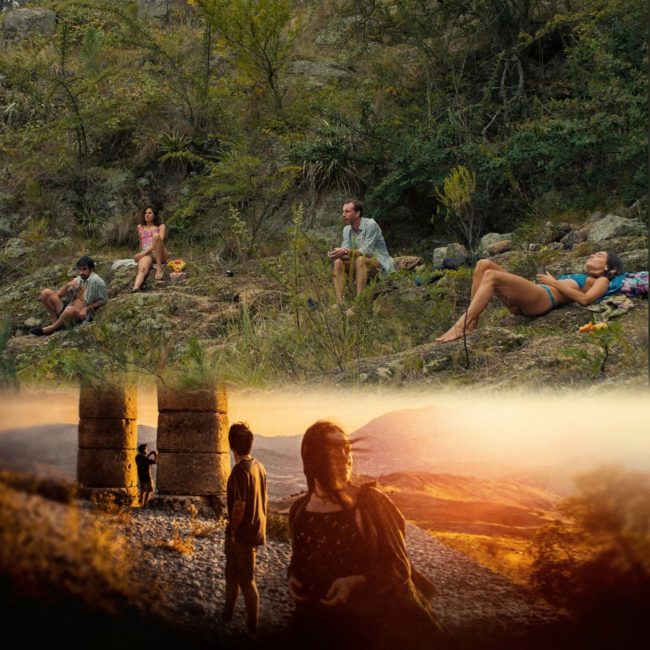
Coming a close second, Rodrigo Moreno’s The Delinquents ponders the entwined fates of two bank clerks in Buenos Aires. What begins as a tense white-collar heist diverts from genre tropes into a powerfully romantic treatise on the nature of freedom when the men leave city life behind and fall for the bewitching Norma (Margarita Molfino.) Similar themes are explored, if less compellingly, in Nuri Bilge Ceylan’s About Dry Grasses. Set in the Anatolian countryside, this lengthy tale of a bored art teacher is enlivened by Merve Dizdar’s strong performance as the daring young woman who provokes him to change.
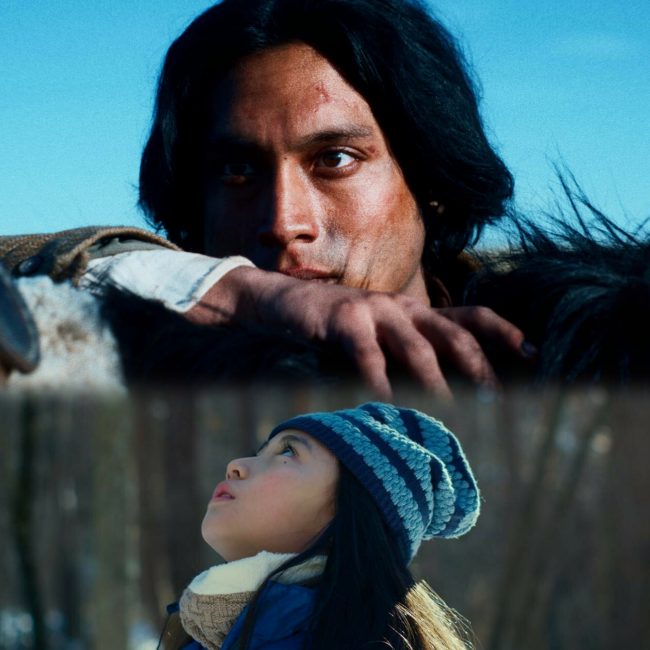
Felipe Gálvez Haberle’s The Settlers is a revisionist Western set in Tierra del Fuego, an archipelago spread across Argentina and Chile, in 1893. MacLennan (Mark Stanley), a Scottish army deserter, hunts down the region’s indigenous people on behalf of a Spanish oligarch, aided by Segundo (Camilo Arancibia), a mestizo forced into his service. Genocide is denied; but for those left behind, history cannot so easily be erased.
Widower Takumi (Hitoshi Omika) lives with his young daughter in a Japanese mountain village. Developers planning to build a glamping site nearby arrange a residents’ meeting, where the company’s representatives find their loyalties challenged. With a title lifted from Kafka, Ryusuke Hamaguchi’s Evil Does Not Exist pits nature against enterprise in a hypnotic style.
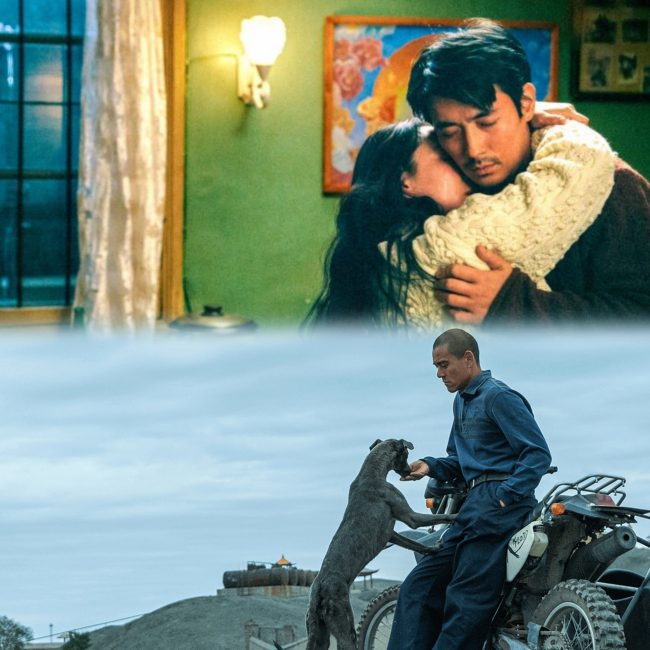
Two films from China: Wei Shujun’s Only the River Flows is a neo-noir shot on 16mm film, richly evoking the genre’s 1990s heyday. Zhu Yilong plays Captain Ma, tasked with investigating an elderly woman’s murder, with her mentally disturbed lodger a prime suspect. As further victims are picked from society’s margins, the world-weary detective’s sense of order begins to unravel.
Guan Hu’s Black Dog brings us to the present day, as Lang (Eddie Peng), whose promising career as a stunt motorcyclist ended when he killed a local gangster’s son, leaves prison. In his loneliness, Lang is drawn to a wild dog from a desert pack encircling his hometown. Their unlikely companionship blossoms as man and dog find solace in a vengeful world.
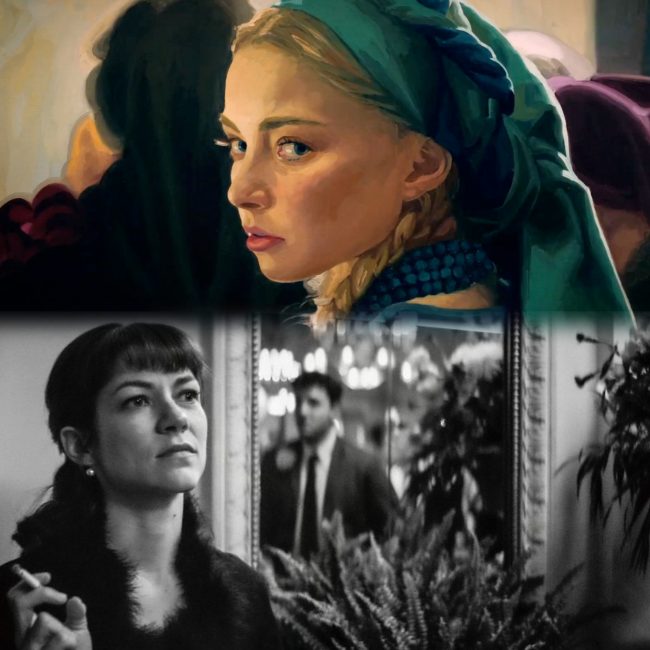
The Peasants is a hand-painted, animated adaptation of Wladyslaw Reymont’s classic novel, set in a 19th century Polish village over the seasons of one year. Filmmakers DK and Hugh Welchman could hardly be expected to include every detail, but while some subtleties are lost, the film does convey the doomed love affair at its core, confirming that the lives of the peasantry were just as dramatic as their noble overlords.
Filmed in black and white, Timm Kröger’s The Universal Theory takes place during a scientist’s conference at a Swiss Alps resort in 1962, where a physics student (Jan Bülow) drifts from his academic mentors, keen to explore the theories of an elusive Iranian guest speaker – and after a romantic encounter with a jazz pianist who works at the hotel (Olivia Ross), becomes obsessed with the secrets that lie within his glacial surroundings. With echoes of The Third Man and supernatural phenomena, the story digs deep into Europe’s postwar fugue.
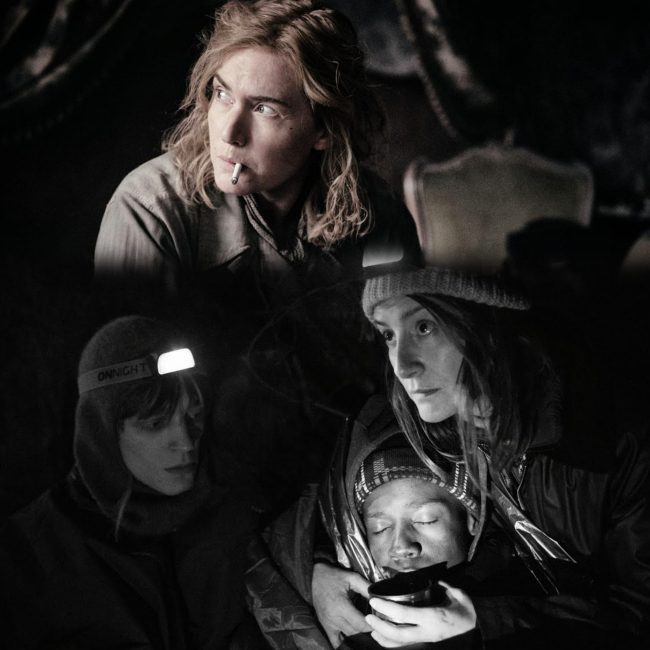
Lee Miller, an artist’s model turned war photographer, is played by Kate Winslet in Lee, directed by Ellen Kuras. While the narrative structure is rather pedestrian (with the older woman recounting her past), Winslet’s performance captures Miller’s rage and vulnerability, and the war scenes – from occupied Paris to defeated Berlin and the horrors of Dachau – make this biopic worth watching.
Agnieszka Holland’s Green Border takes us into the heart of Europe’s refugee crisis, as those fleeing persecution and war confront hostile troops, a suspicious population, and few friendly faces as they arrive at the EU-Belarusian border. Black and white cinematography gives the film a sheen of reportage, bearing witness to the sweeping chaos of our time.
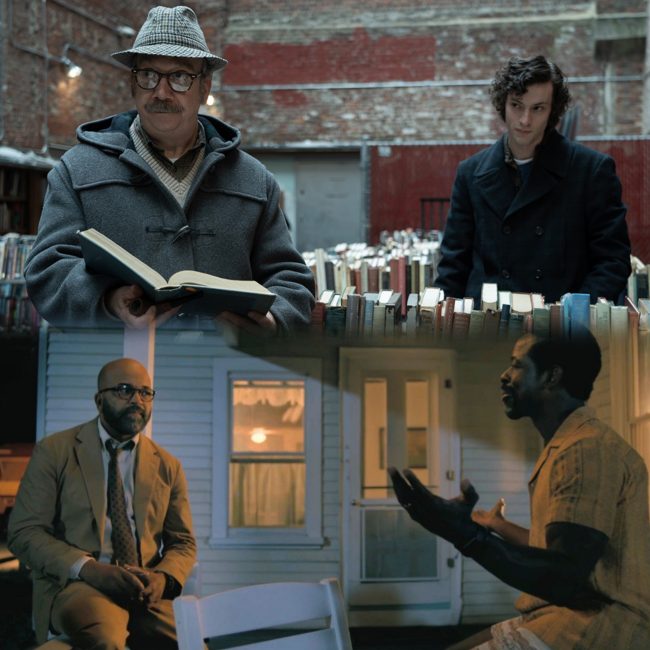
Among the better American films I saw in 2024, The Holdovers is Alexander Payne’s first film in a decade – and, 20 years on from Sideways, reunites him with Paul Giamatti, playing a crusty professor at a New England boarding school, forced to remain for the winter holiday with a rebellious student (newcomer Dominic Sessa) and the school’s cook (Oscar-winner Da’Vine Joy Randolph), still grieving her son’s death in Vietnam. The early 1970s setting allows Payne to wallow in cinematic nostalgia; and a year on from its release, his film looks sure to become a Christmas favourite.
Inspired by Robert Townsend’s Hollywood Shuffle, Cord Jefferson adapted Percival Everett’s first novel, Erasure, for his directorial debut. Starring Jeffrey Wright in an outstanding performance as an academic who cosplays as a gangster to get his novel published – only to find that success is more than he can handle – American Fiction is a rip-roaring satire on literary trends and changing notions of Blackness.
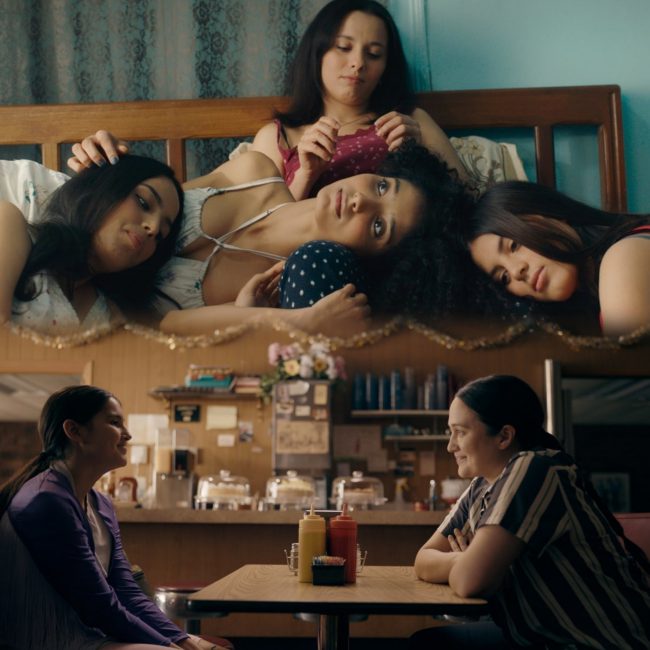
Kaouther Ben Hania’s docudrama, Four Daughters, recounts a Tunisian family’s ordeal as a single mother loses her two eldest daughters, who are later imprisoned as terrorists. Olfa Hamrouni became a media sensation when she blamed the state for failing her children. A compelling study of misogyny and radicalisation, the film combines footage of the embattled matriarch and her two younger daughters with dramatic reconstructions of past events, using actors to portray the missing sisters.
Starring Lily Gladstone as a Native American searching for her missing sister while also caring for her teenage niece, Fancy Dance is the first narrative feature from documentary filmmaker Erica Tremblay, and an indie drama that punches above its weight.
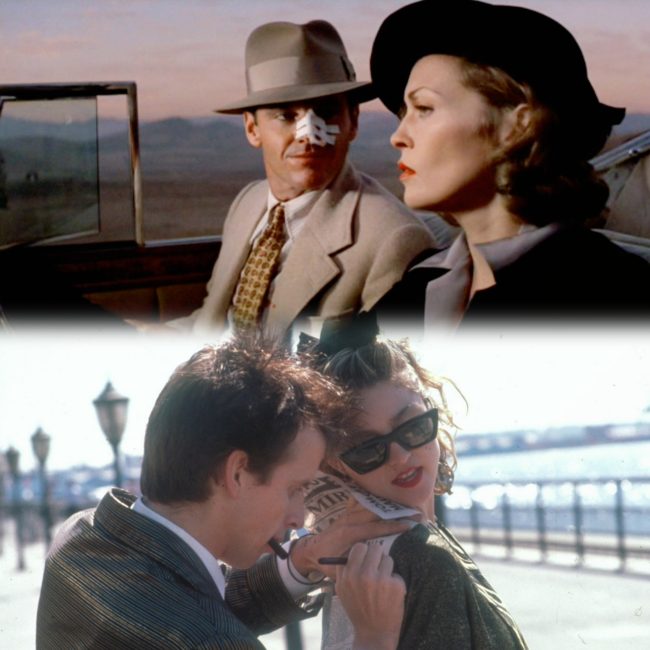
While the decline in filmgoing remains a grave concern, some hope remains. I saw several older favourites on the big screen this year – including two of my all-timers, Chinatown and Desperately Seeking Susan – and as Tom Shone reports for The Guardian, repertory programming is increasingly popular among the Letterboxd generation.

Among the film-related books I enjoyed this year were Jerry Vermilye’s Profane Angel, tracking the remarkable career of Carole Lombard, from the silent-era starlet to screwball comedy queen; and the first full biography of Ann Sheridan, Hollywood’s Oomph Girl, by Michael D. Rinella, reclaiming the spotlight for an underrated star of cinema’s golden age.
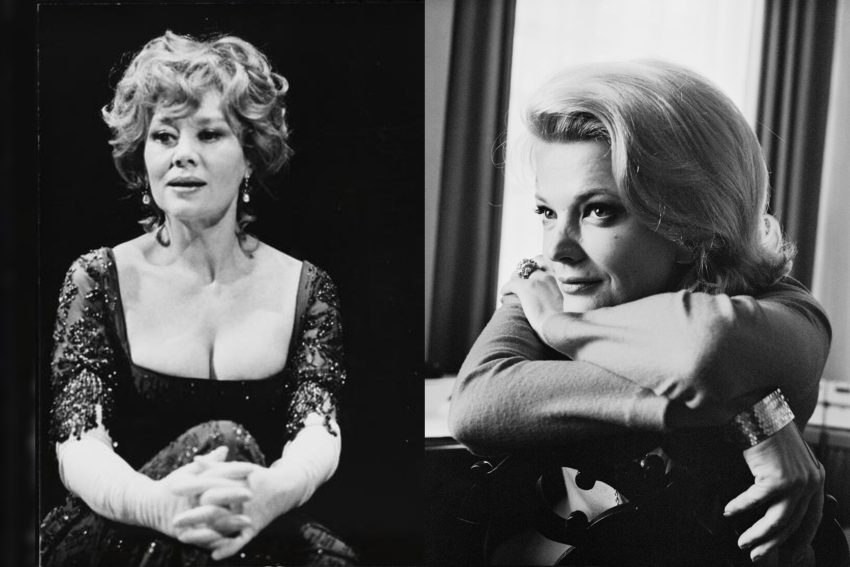
We lost several movie legends in 2024. Glynis Johns, who died aged 100, first found fame in postwar Britain as the husky-voiced star of mermaid fantasy Miranda. She went on to play the suffragette mother in Mary Poppins, and sang ‘Send in the Clowns’ on Broadway. Among her later roles was a guest appearance in the first season of TV’s Cheers.
When Gena Rowlands first stepped from stage to screen, it seemed she had the makings of a classic Hollywood blonde. But then her string of films made with husband John Cassavetes – from A Woman Under the Influence to Gloria and beyond – established her as a luminary of independent film, and one of America’s greatest actors.
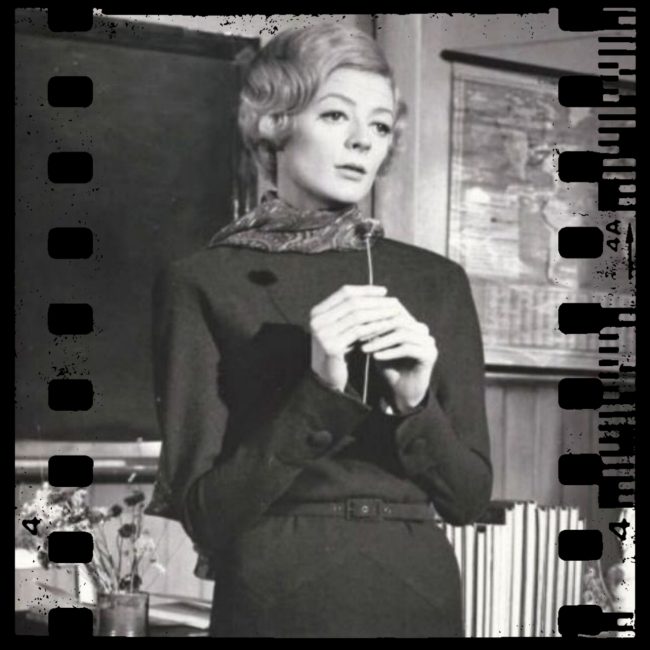
And last but not least, who could forget Maggie Smith in The Prime of Miss Jean Brodie?
 Tara Hanks
You must be logged in to post a comment.